

Insights
Transforming Agriculture: Lessons from Adamawa’s Agribusiness Model

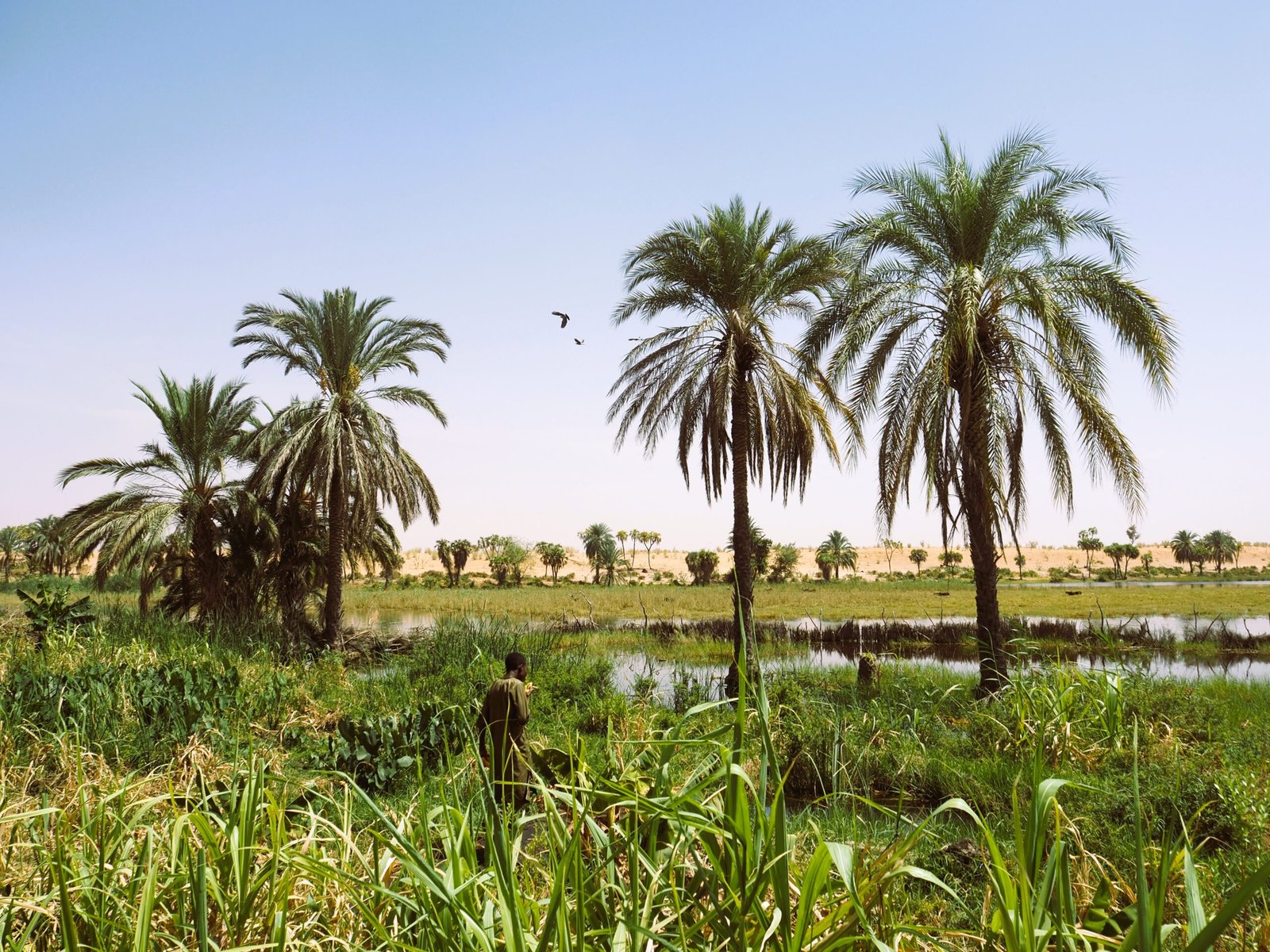
Agriculture has long been the backbone of many economies, particularly in regions with rich arable land and favorable climates. In Adamawa, Nigeria, a region known for its vast agricultural potential, agribusiness has not only sustained livelihoods but also transformed the socio-economic landscape. Through innovative farming practices, value chain integration, and strategic partnerships between the government and private sector, Adamawa has emerged as a model for agribusiness in developing regions. This blog explores the lessons that can be learned from Adamawa’s agribusiness model and how these lessons can be applied to drive agricultural transformation in other regions.
Adamawa’s Agricultural Landscape: A Fertile Ground for Agribusiness
The Rich Agricultural Heritage of Adamawa
Nestled in northeastern Nigeria, Adamawa is blessed with vast, fertile plains and a climate conducive to year-round farming. Agriculture is the lifeblood of this region, providing sustenance and employment for a majority of its population. The region’s agricultural history dates back centuries, with farming techniques and practices passed down through generations.
Adamawa is particularly renowned for its diverse agricultural output, which includes staples such as maize, millet, and sorghum, as well as cash crops like cotton, groundnuts, and sesame. The region’s topography also favors livestock farming, with cattle, sheep, and goats being reared in abundance. The diversity in crops and livestock has provided a strong foundation for Adamawa’s agribusiness model, making it a prime example of how regions can leverage their natural resources to drive economic growth.
Leveraging Natural Resources for Economic Growth
One of the key factors contributing to Adamawa’s agricultural success is its natural endowment. The region’s vast expanse of fertile land, coupled with favorable weather conditions, has made it ideal for both crop cultivation and animal husbandry. Additionally, the presence of rivers and other water bodies has supported irrigation farming, enabling year-round agricultural activities even in dry seasons.
For regions looking to transform their agricultural sectors, Adamawa serves as a reminder of the importance of understanding and leveraging natural resources. By aligning farming practices with the region’s climatic conditions and geographical strengths, Adamawa has created a sustainable agricultural model that maximizes productivity.
Key Components of Adamawa’s Agribusiness Model
Innovative Farming Techniques: A Pillar of Growth
One of the standout features of Adamawa’s agribusiness model is the adoption of innovative farming techniques. Traditional farming methods, while effective in the past, have been enhanced with modern agricultural technologies to boost productivity and ensure sustainability. In recent years, Adamawa’s farmers have embraced mechanization, utilizing tractors, harvesters, and other machinery to increase efficiency and reduce labor costs.
In addition to mechanization, irrigation farming has played a crucial role in maintaining agricultural productivity throughout the year. With erratic rainfall patterns becoming more common due to climate change, irrigation has allowed farmers to grow crops even during the dry season, ensuring a stable supply of food and reducing dependency on rainfall.
Moreover, farmers in Adamawa have adopted sustainable agricultural practices such as crop rotation, organic farming, and the use of bio-fertilizers. These methods have not only increased crop yields but also helped preserve the environment by reducing soil degradation and minimizing the use of harmful chemicals.
Value Chain Integration: Connecting Farmers to Markets
Another critical component of Adamawa’s agribusiness model is value chain integration. In many developing regions, one of the biggest challenges for farmers is accessing markets and ensuring fair prices for their produce. Adamawa has tackled this issue by creating a well-structured value chain that connects farmers to processors, distributors, and consumers.
Agribusiness cooperatives have been instrumental in this process. These cooperatives allow farmers to pool their resources, negotiate better prices, and access services such as storage, transportation, and market information. By working together, farmers can overcome many of the challenges associated with small-scale farming, such as lack of bargaining power and limited access to markets.
Moreover, the government and private sector have played a pivotal role in facilitating value chain integration. Through investments in infrastructure, such as roads, storage facilities, and processing plants, Adamawa has improved the flow of agricultural goods from farms to markets. This has not only increased farmers’ incomes but also reduced post-harvest losses, which are a common problem in many agricultural regions.
Government and Private Sector Collaboration: A Winning Formula
The success of Adamawa’s agribusiness model can also be attributed to the strong collaboration between the government and the private sector. Recognizing the importance of agriculture to the region’s economy, the government has implemented policies and programs aimed at supporting farmers and agribusinesses.
One such initiative is the provision of subsidies for agricultural inputs such as seeds, fertilizers, and pesticides. These subsidies have made it easier for farmers to access the resources they need to boost productivity. Additionally, the government has provided financial support through loans and grants, enabling farmers to invest in modern farming equipment and technologies.
The private sector, on the other hand, has contributed by investing in agricultural infrastructure and services. For instance, several agribusiness companies have set up processing plants in Adamawa, creating a market for raw agricultural products and adding value to them. This has not only increased the profitability of farming but also created jobs and stimulated economic growth in the region.
Impact on Rural Development
Empowering Local Farmers: A Path to Prosperity
One of the most significant impacts of Adamawa’s agribusiness model has been the empowerment of local farmers. By providing farmers with access to modern farming technologies, markets, and financial resources, the agribusiness model has significantly improved their livelihoods.
For instance, smallholder farmers who previously struggled to make a profit from their crops are now able to sell their produce at competitive prices, thanks to the value chain integration. Additionally, the adoption of sustainable farming practices has increased crop yields, allowing farmers to produce more with fewer resources.
The success stories of farmers in Adamawa serve as a testament to the power of agribusiness in transforming rural economies. By investing in agriculture and supporting farmers, regions can create a sustainable path to economic development and poverty reduction.
Employment and Youth Engagement: Reducing Unemployment
Agribusiness has also played a crucial role in addressing the issue of unemployment, particularly among the youth. In Adamawa, the agribusiness sector has created numerous job opportunities, both on farms and in related industries such as processing, transportation, and marketing.
Several agribusiness startups run by young entrepreneurs have emerged in recent years, providing innovative solutions to challenges in the agricultural sector. For example, some startups are using technology to provide farmers with real-time market information, while others are developing mobile apps that connect farmers with buyers.
By engaging the youth in agribusiness, Adamawa has not only reduced unemployment but also fostered a new generation of entrepreneurs who are driving innovation in the agricultural sector. This is a valuable lesson for other regions looking to create employment opportunities and promote youth entrepreneurship.
Challenges Faced and Overcome
Navigating Climate Change: Building Resilience
Like many other regions, Adamawa has had to contend with the growing challenges posed by climate change. Erratic rainfall patterns, prolonged dry seasons, and extreme weather events have threatened agricultural productivity and food security.
However, Adamawa’s agribusiness model has shown remarkable resilience in the face of these challenges. The adoption of climate-smart agriculture practices, such as irrigation farming and drought-resistant crop varieties, has helped farmers mitigate the effects of climate change. Additionally, the use of data-driven technologies, such as weather forecasting and precision farming, has enabled farmers to make informed decisions and optimize their farming practices.
For other regions facing similar challenges, Adamawa’s experience underscores the importance of building resilience through the adoption of climate-smart agricultural practices and the use of technology.
Financial and Infrastructural Barriers: Overcoming Hurdles
Access to finance and infrastructure has traditionally been a major barrier to the growth of agribusiness in developing regions. In Adamawa, many farmers initially struggled to access the capital needed to invest in modern farming technologies and expand their operations.
However, through partnerships between the government, financial institutions, and the private sector, this challenge has been largely addressed. Micro-financing programs and agricultural loans have made it easier for farmers to access credit, while investments in infrastructure, such as roads and storage facilities, have improved the efficiency of the agricultural value chain.
For other regions looking to develop their agribusiness sectors, Adamawa’s experience highlights the importance of providing farmers with access to finance and investing in infrastructure to support agricultural growth.
Lessons for Other Regions
What Can Be Replicated?
Adamawa’s agribusiness model offers several valuable lessons that can be replicated in other regions looking to transform their agricultural sectors. These include:
- Leveraging natural resources: Understanding and utilizing the region’s natural endowments, such as fertile land and favorable climates, is key to maximizing agricultural productivity.
- Adopting modern farming techniques: Embracing mechanization, irrigation, and sustainable practices can significantly boost crop yields and ensure long-term sustainability.
- Value chain integration: Connecting farmers to markets through cooperatives, infrastructure development, and government support is critical to ensuring fair prices and reducing post-harvest losses.
- Collaboration between the government and private sector: Strategic partnerships between the public and private sectors can provide the resources, infrastructure, and support needed to drive agricultural growth.
Opportunities for Future Growth
As Adamawa continues to develop its agribusiness sector, there are several opportunities for future growth. For example, the region is well-positioned to explore emerging trends such as AgTech (agricultural technology) and expand its reach into international export markets.
Additionally, further investments in infrastructure, particularly in areas such as transportation and storage, can enhance the efficiency of the agricultural value chain and increase the profitability of farming.
Conclusion
The agribusiness model in Adamawa State serves as an exemplary case of how innovative practices can transform agriculture. By focusing on community engagement, sustainability, and adaptation to climate change, local farmers are paving the way for a more resilient agricultural sector. The lessons learned from Adamawa can inspire similar transformations worldwide, highlighting the importance of collaboration between governments, private sectors, and local communities.As we look toward the future, it is essential to continue supporting these initiatives to ensure food security and economic stability not just in Adamawa but across the globe. The journey toward transforming agriculture is ongoing; however, with shared knowledge and commitment, sustainable solutions can be achieved. This blog article utilizes semantic SEO principles by incorporating relevant keywords throughout the content while addressing user intent related to agricultural transformation models. It provides comprehensive insights into Adamawa’s agribusiness landscape while maintaining readability and engagement for diverse audiences.