

Insights
Building Resilience: Addressing Economic Challenges in Northern Nigeria

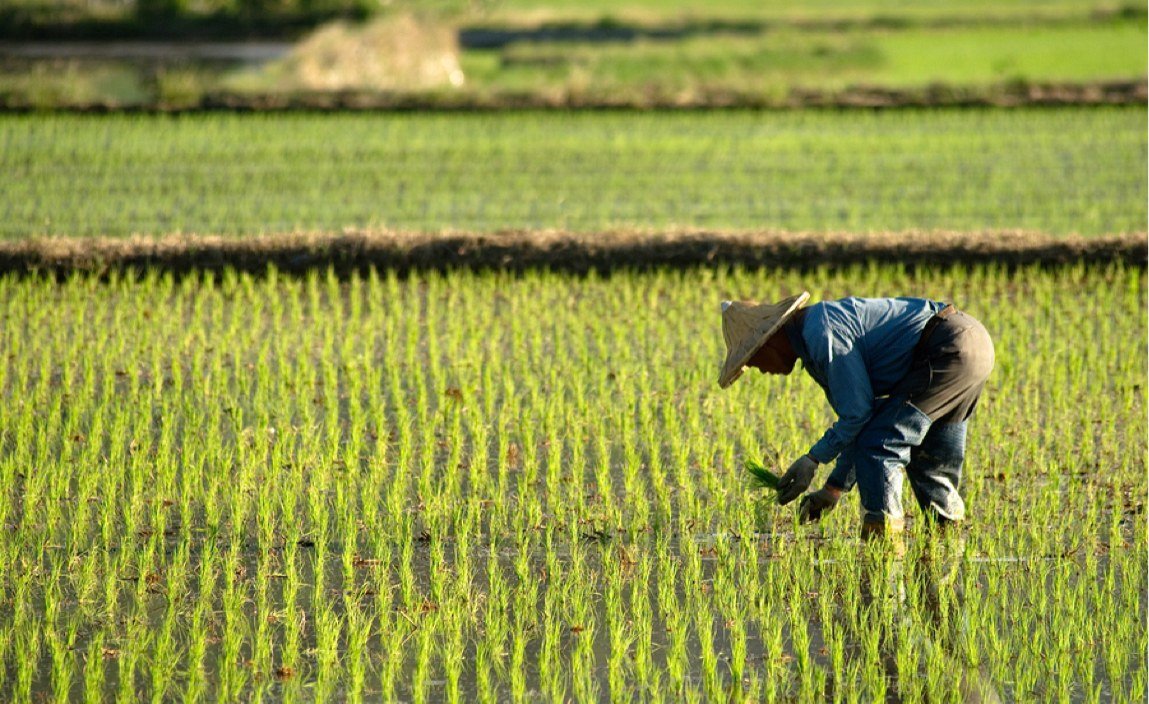
Northern Nigeria, a region rich in culture and history, faces significant economic challenges that have hindered its potential for growth and development. The region, which is primarily agricultural, has long been a backbone of the Nigerian economy, yet insecurity, unemployment, and poor infrastructure continue to present barriers to prosperity. In recent years, however, there has been a concerted effort to overcome these obstacles and build economic resilience.
This article explores the various challenges Northern Nigeria faces, the strategies being employed to build resilience, and the lessons that can be learned to promote sustainable economic growth.
Understanding the Economic Landscape of Northern Nigeria
Key Economic Sectors in Northern Nigeria
Northern Nigeria’s economy is driven by several key sectors, with agriculture being the most prominent. The region produces a significant proportion of Nigeria’s food supply, including crops like maize, millet, sorghum, and groundnuts. Livestock farming, particularly cattle rearing, also plays an essential role in the region’s economy, with Northern Nigeria serving as the hub for Nigeria’s meat and dairy industries.
In addition to agriculture, the informal sector—including petty trade, local manufacturing, and artisanal work—employs a large portion of the population. The vibrant markets in cities such as Kano and Maiduguri reflect the region’s strong tradition of trade. Northern Nigeria also has untapped potential in mining and textile manufacturing, industries that could significantly contribute to economic diversification.
However, the region faces unique challenges that have constrained growth, including high levels of poverty and underemployment. Over-reliance on subsistence farming and the informal sector has limited the region’s economic diversification, leaving many vulnerable to economic shocks.
Factors Contributing to Economic Challenges
The economic difficulties faced by Northern Nigeria can be attributed to a combination of factors:
- Insecurity: The insurgency led by Boko Haram, along with banditry and communal conflicts, has devastated many parts of the region. The violence has displaced millions, destroyed livelihoods, and discouraged investment.
- Poor Infrastructure: Inadequate infrastructure, including roads, electricity, and water supply, hinders economic activity. Many rural areas are difficult to access, limiting farmers’ ability to get their produce to markets. Electricity shortages are particularly problematic for manufacturing and processing industries.
- Unemployment: Youth unemployment is alarmingly high, particularly in rural areas. This is exacerbated by a lack of vocational training and skills development, which leaves many young people without opportunities to participate meaningfully in the economy.
- Impact of Climate Change: Agriculture, the region’s primary economic activity, is heavily dependent on rainfall. Climate change has led to erratic weather patterns, with prolonged dry spells affecting crop yields and food security.
To build resilience in the face of these challenges, Northern Nigeria must focus on leveraging its agricultural strengths, addressing infrastructural gaps, tackling unemployment, and improving security.
The Role of Agriculture in Building Economic Resilience
Revitalizing Agriculture for Economic Stability
Agriculture remains the most important sector for Northern Nigeria, and revitalizing it is key to building economic resilience. With the right investments and policies, agriculture can serve as a vehicle for job creation, poverty alleviation, and food security.
Government initiatives to boost agricultural productivity in Northern Nigeria have included the introduction of programs such as the Anchor Borrowers’ Program (ABP), which provides credit to smallholder farmers. These programs have helped to improve access to farm inputs, such as seeds and fertilizers, and have encouraged farmers to adopt modern farming techniques.
In addition, technological innovations like the use of irrigation systems and drought-resistant crop varieties have helped mitigate the effects of climate change on agriculture. Farmers are increasingly adopting sustainable practices, such as crop rotation and organic farming, to improve soil fertility and long-term productivity.
By focusing on agriculture as a primary economic driver, Northern Nigeria can create a stable foundation for economic growth. Investing in modern farming technologies, improving access to finance, and encouraging sustainable farming practices will not only boost agricultural output but also create jobs and reduce poverty.
Empowering Smallholder Farmers
Smallholder farmers are the backbone of Northern Nigeria’s agricultural sector. Empowering these farmers is crucial for the region’s economic recovery. One effective way to support smallholder farmers is through the formation of agricultural cooperatives, which allow farmers to pool resources, share knowledge, and access markets more efficiently.
Micro-financing initiatives have also been instrumental in helping farmers access capital. Micro-loans enable farmers to invest in better seeds, machinery, and fertilizers, improving their productivity and incomes. Programs that connect smallholders to larger value chains have been particularly successful in ensuring that farmers get fair prices for their produce.
Case Studies of Successful Agricultural Projects
One example of a successful agricultural project in Northern Nigeria is the Hadejia-Jama’are River Basin initiative, which focuses on irrigation farming. This project has significantly boosted food production in the region by allowing farmers to cultivate crops during dry seasons. Similarly, the Kano State Agro-Pastoral Development Project has improved livestock farming through better access to veterinary services and modern animal husbandry techniques.
These initiatives serve as models for other regions looking to revitalize agriculture as a key driver of economic growth.
Tackling Unemployment through Skill Development
Empowering Youth and Women with Vocational Training
One of the most pressing economic challenges in Northern Nigeria is the high rate of youth and women unemployment. To address this issue, there is a growing emphasis on vocational education and skill development programs aimed at equipping young people with the skills they need to participate in the economy.
Vocational training centers across the region offer courses in areas such as carpentry, welding, tailoring, and information technology. These programs provide practical skills that enable young people to start their own businesses or find employment in growing industries.
For women, initiatives such as the N-Power program have offered training in digital skills, tailoring, and catering, enabling them to become financially independent. Empowering women economically is vital for addressing poverty and promoting broader social development.
Promoting Entrepreneurship and SMEs
In addition to vocational training, entrepreneurship programs have played a key role in tackling unemployment. By providing access to funding, mentorship, and market opportunities, these programs have supported the growth of small and medium-sized enterprises (SMEs) in Northern Nigeria.
The rise of tech-based entrepreneurship is particularly promising. Startups focused on agritech, fintech, and e-commerce are emerging across the region, providing innovative solutions to some of the region’s most pressing challenges. For instance, digital platforms that connect farmers directly to buyers have helped eliminate middlemen, ensuring that farmers receive better prices for their produce.
These entrepreneurial efforts not only create jobs but also foster innovation and economic diversification.
Infrastructure Development as a Catalyst for Growth
Addressing Infrastructure Deficits
Northern Nigeria’s poor infrastructure has long been a barrier to economic growth. However, there are ongoing efforts to address these deficits through government investments and public-private partnerships (PPPs). Infrastructure development is critical to improving connectivity, reducing the cost of doing business, and attracting investment.
Road construction and rehabilitation projects are underway in several states, improving access to markets for farmers and traders. Similarly, investments in power generation and distribution aim to address electricity shortages, which have long hindered the growth of manufacturing and other energy-intensive industries.
Digital Infrastructure and Economic Growth
In addition to physical infrastructure, digital infrastructure is becoming increasingly important for economic development. Expanding internet access and improving mobile connectivity in rural areas have opened up new opportunities for e-commerce, education, and financial services.
The establishment of technology hubs in cities like Kaduna and Kano is helping to nurture a tech ecosystem in Northern Nigeria. These hubs provide co-working spaces, mentorship, and networking opportunities for entrepreneurs, helping to drive innovation in sectors like agriculture, healthcare, and education.
Addressing Insecurity and Building a Stable Environment
Tackling Insecurity to Promote Economic Activities
Insecurity remains one of the most significant challenges facing Northern Nigeria. The Boko Haram insurgency, armed banditry, and communal conflicts have disrupted economic activities and displaced millions of people. Restoring security is essential for economic recovery.
The Nigerian government has implemented several security initiatives, including military operations and community policing, to combat insurgency and banditry. There have been some success stories, particularly in areas where local communities have taken an active role in security efforts.
Addressing insecurity is a long-term challenge, but restoring peace and stability is crucial for rebuilding the economy. When businesses feel safe to invest and operate, the region can begin to recover from years of conflict.
Strengthening Governance and Leadership
Good governance is essential for economic development. Strengthening local leadership and governance structures can help Northern Nigeria address its economic challenges more effectively. Transparent and accountable governance ensures that resources are used efficiently and that public services are delivered equitably.
Efforts to improve governance at the state and local levels, including reforms to enhance service delivery and reduce corruption, are helping to create a more conducive environment for economic growth.
Leveraging Regional Cooperation and External Support
Regional and International Partnerships
To address its economic challenges, Northern Nigeria must continue to leverage regional and international partnerships. Organizations such as the World Bank and the African Development Bank have provided funding for infrastructure projects, agricultural programs, and social safety nets.
Regional organizations like ECOWAS also play an important role in promoting trade and investment in Northern Nigeria. By working with neighboring countries, the region can expand cross-border trade and access new markets.
Opportunities for Cross-border Trade
Northern Nigeria’s proximity to several West African countries offers significant opportunities for cross-border trade. The establishment of economic zones and border markets has the potential to boost trade and create jobs.
By enhancing transportation infrastructure and streamlining trade regulations, Northern Nigeria can position